Autonomous Fleets: How AI is Driving the Future of Logistics
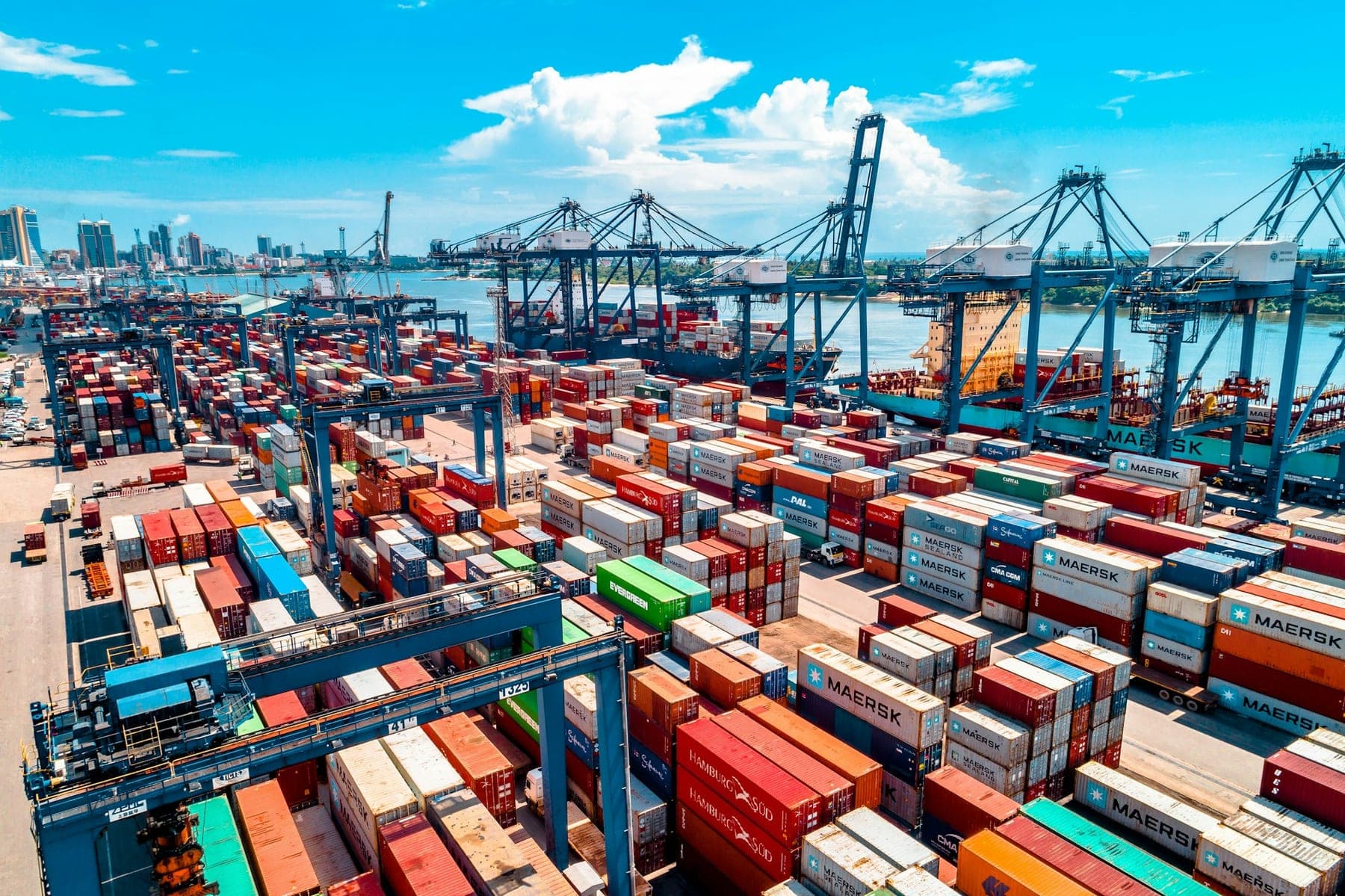
Logistics is becoming one of the most visible proving grounds for applied artificial intelligence. Autonomous vehicles now move containers in ports, robotic tuggers navigate warehouse floors and AI platforms plan delivery routes that adapt to traffic, weather and demand in real time. Across Asia-Pacific's major trade hubs, these technologies are helping operators handle growing volumes with greater consistency and efficiency.
Every autonomous vehicle is also a connected computer on wheels. It depends on sensors, software, wireless networks and cloud platforms to operate safely. As fleets become more automated, the security of that digital ecosystem becomes inseparable from physical safety and business continuity.
Where autonomy is delivering today
The most successful deployments are found in controlled environments where routes, rules and risks are well understood. Container terminals, distribution centres, mining sites and industrial estates offer predictable conditions in which autonomous systems can operate around the clock.
- Autonomous yard trucks and straddle carriers moving containers within port terminals.
- Autonomous mobile robots transporting goods between warehouse zones.
- AI-driven route optimisation that reduces fuel consumption and delivery times.
- Predictive maintenance that schedules servicing before failures occur.
On public roads, adoption is progressing more gradually, with driver-assistance systems, platooning trials and remotely supervised delivery vehicles paving the way for wider autonomy as regulations mature.
The expanding attack surface
Connected fleets introduce risks that traditional logistics operations never faced. Vehicle control systems, telematics units, charging infrastructure, fleet management software and the wireless networks that link them can all be targeted. A successful attack could disrupt operations, manipulate cargo records, expose location data or, in the worst case, compromise vehicle safety.
Sensor integrity is another emerging concern. Autonomous systems rely on cameras, lidar, radar and GPS to understand their surroundings. Spoofed GPS signals or tampered sensors can mislead navigation, which is why robust designs cross-check multiple data sources and treat inconsistencies as potential security events.
Securing the connected fleet
Protecting autonomous logistics requires a layered approach that spans the vehicle, the network and the operations centre. Communication between vehicles and control systems should be encrypted and authenticated. Private wireless networks, such as dedicated private LTE or 5G, offer greater control and reliability than shared public networks in ports and large facilities.
Equally important is visibility. A centralised operations platform that brings together fleet telemetry, video surveillance, access control and network monitoring allows teams to detect anomalies quickly — whether that is an unauthorised person in a restricted lane, an unexpected change in vehicle behaviour or unusual traffic on the network. Integrated alarm management ensures that each event reaches the right responder with the right context.
In autonomous operations, cybersecurity is a safety system. It deserves the same engineering discipline as brakes and collision avoidance.
— AIPT Global Solutions Engineering
Protecting data across the supply chain
Autonomous logistics generates a continuous stream of operational data: vehicle positions, cargo manifests, customer delivery details and performance metrics. This information is commercially sensitive and, in many cases, subject to data protection obligations. It must be protected not only within the operator's own systems but also as it is shared with customers, carriers, customs authorities and technology partners.
Strong identity and access management, encrypted data exchange and well-defined integration interfaces reduce the risk of leaks through partner connections. Regular security assessments of third-party platforms, combined with contractual security requirements, help ensure that the weakest link in the chain does not become the entry point for an attack.
People remain central to the operation. Remote supervisors, maintenance technicians and control-room operators all need appropriate training to recognise suspicious activity and respond correctly. Clear procedures for taking vehicles out of service, isolating affected systems and switching to manual operation are essential parts of a mature security posture.
Preparing for scale
As autonomous fleets grow from pilots to full-scale operations, infrastructure must keep pace. That includes resilient network coverage across large sites, secure over-the-air software update processes, physical protection of charging and control facilities, and clear incident response plans that cover both digital and physical scenarios.
AI is set to make logistics faster, safer and more sustainable. The operators who capture those benefits will be the ones who design security into their autonomous systems from day one, treating the network, the vehicles and the people who supervise them as a single, integrated ecosystem.