AI Video Analytics in 2026: Real-Time Behavioural Detection for Enterprise Security
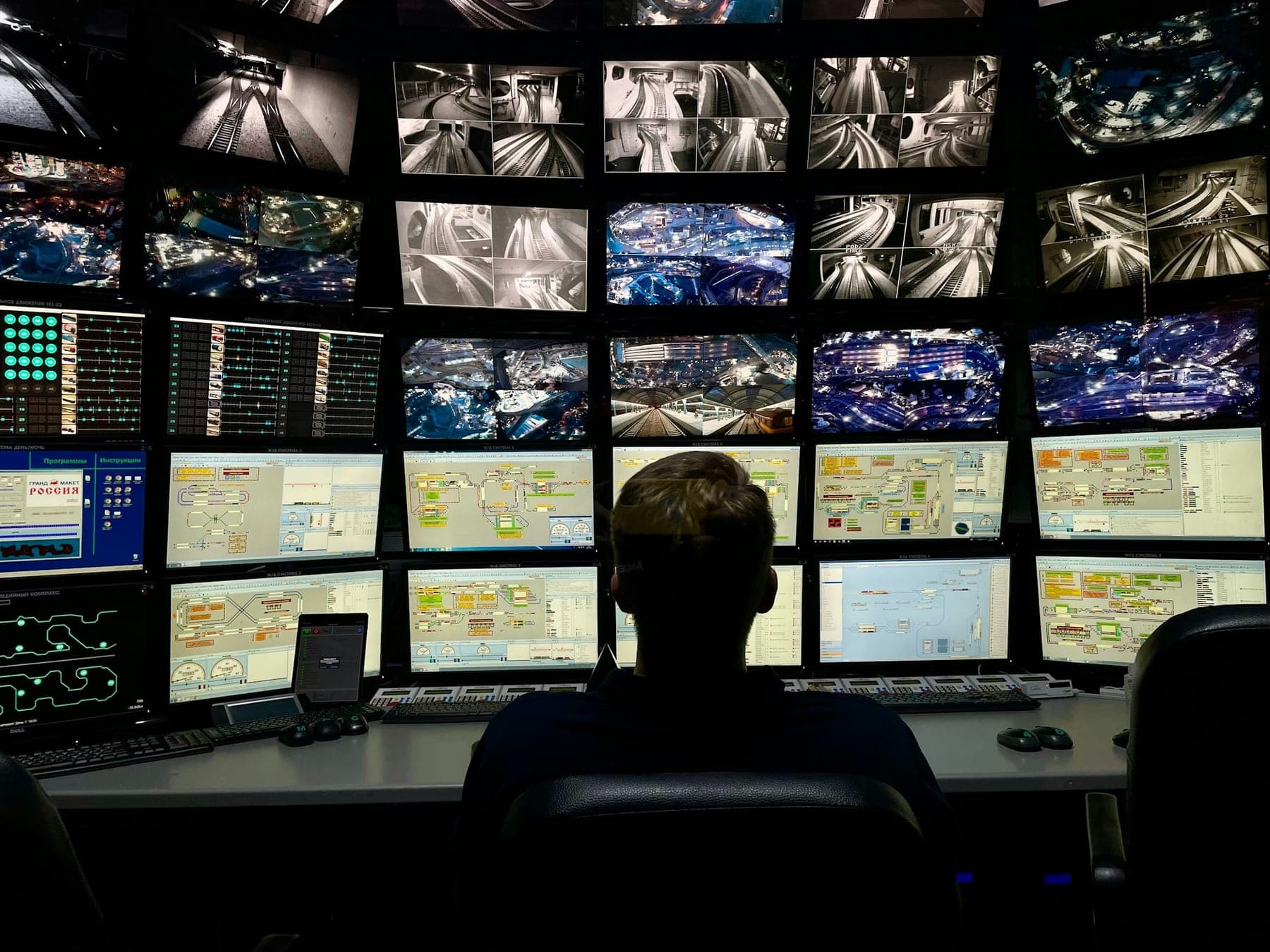
The security industry has undergone a fundamental shift in the past two years. Where traditional surveillance relied on human operators reviewing footage after an incident, modern AI-powered video analytics platforms now detect, classify, and alert on potential threats before they escalate — in real time, at scale.
The most significant development in 2026 has been the maturation of edge-AI cameras: devices with onboard neural processing units capable of running inference models locally, without relying on a centralised server. This dramatically reduces latency, bandwidth requirements, and single points of failure in large deployments.
Key capabilities now available in enterprise-grade systems include: crowd density monitoring and anomaly detection, loitering and restricted zone breach alerts, abandoned object and vehicle detection, fall detection for healthcare and aged care facilities, and license plate recognition with real-time database cross-referencing.
For AIPT Global clients, the practical result has been an 80% reduction in false alarm rates compared to legacy PIR and basic motion-trigger systems. Operators spend less time reviewing irrelevant footage and more time responding to verified incidents. In high-traffic environments such as industrial zones and commercial campuses, this distinction is operationally critical.
From motion triggers to behavioural understanding
Earlier generations of video analytics treated every moving pixel as a potential event. Wind-blown foliage, passing headlights and changes in ambient light all generated alerts, and operators quickly learned to ignore them. Modern behavioural models work differently. Rather than asking whether something moved, they ask what is moving, how it is moving, and whether that pattern is expected for the time, place and context.
A person walking along a perimeter fence at 3 a.m. is treated differently from a maintenance technician following a scheduled route. A vehicle stopping briefly in a loading bay is normal; the same vehicle idling for twenty minutes beside a restricted entrance is not. By combining object classification, trajectory analysis and site-specific rules, today's platforms can surface the handful of events that genuinely need attention out of thousands of hours of footage.
Architecture: why the edge matters
Running inference on the camera itself changes the economics and resilience of large deployments. Instead of streaming every feed at full resolution to a central server, edge devices transmit metadata and short event clips. Network load drops sharply, storage can be tiered more intelligently, and the system keeps working if a link to the data centre is interrupted.
In our deployments, edge analytics are paired with a centralised video management system that correlates events across cameras, access control and intrusion sensors. This hybrid design keeps decision-making close to the source while still giving security teams a single, unified view of the site.
- Lower latency: alerts are raised within milliseconds of an event being detected on-device.
- Reduced bandwidth: only metadata and relevant clips travel across the network.
- Higher availability: cameras continue analysing locally during network or server outages.
- Scalable design: new cameras add their own processing capacity to the system.
Accuracy, privacy and governance
Greater capability brings greater responsibility. Enterprises deploying behavioural analytics must be able to explain what the system detects, how long data is retained and who can access it. We design every deployment with privacy masking, role-based access, encrypted storage and audit trails as standard, and we align configurations with the data protection requirements of each APAC jurisdiction in which our clients operate.
Model accuracy is also validated on site, not just in the lab. Lighting, camera angles, weather and local activity patterns all affect performance, so each installation goes through a structured tuning period in which detection thresholds are adjusted against real operating conditions before the system is handed over.
The goal is not more alerts. The goal is fewer, better alerts — the ones an operator can trust and act on immediately.
— AIPT Global Solutions Engineering
Integrating analytics into daily operations
Technology alone does not improve security outcomes; it has to fit the way a security team works. Alerts generated by video analytics are most valuable when they arrive inside the same management platform that handles access control events, intrusion alarms and incident reports. Operators can then verify an event, review the relevant camera views, dispatch a responder and document the outcome without switching between systems.
Analytics data also supports longer-term planning. Aggregated reports on occupancy, traffic flow and recurring alarm locations help facility managers adjust patrol routes, improve lighting, reposition cameras and justify investment in additional controls. Over time, the security system becomes a source of operational insight rather than simply a recording device.
For organisations planning an upgrade, we recommend a phased approach: start with the areas where false alarms are most costly or risks are highest, measure the improvement against a clear baseline, and then extend analytics across the wider estate. This approach builds operator confidence and ensures that each phase delivers measurable value.
Outlook
As AI models continue to improve and edge hardware costs decline, AIPT Global expects AI analytics to become a standard feature of all new security deployments across the APAC region within the next 18 months.