AI-Driven Customer Insights: Revolutionizing In-Store and Online Shopping Experiences
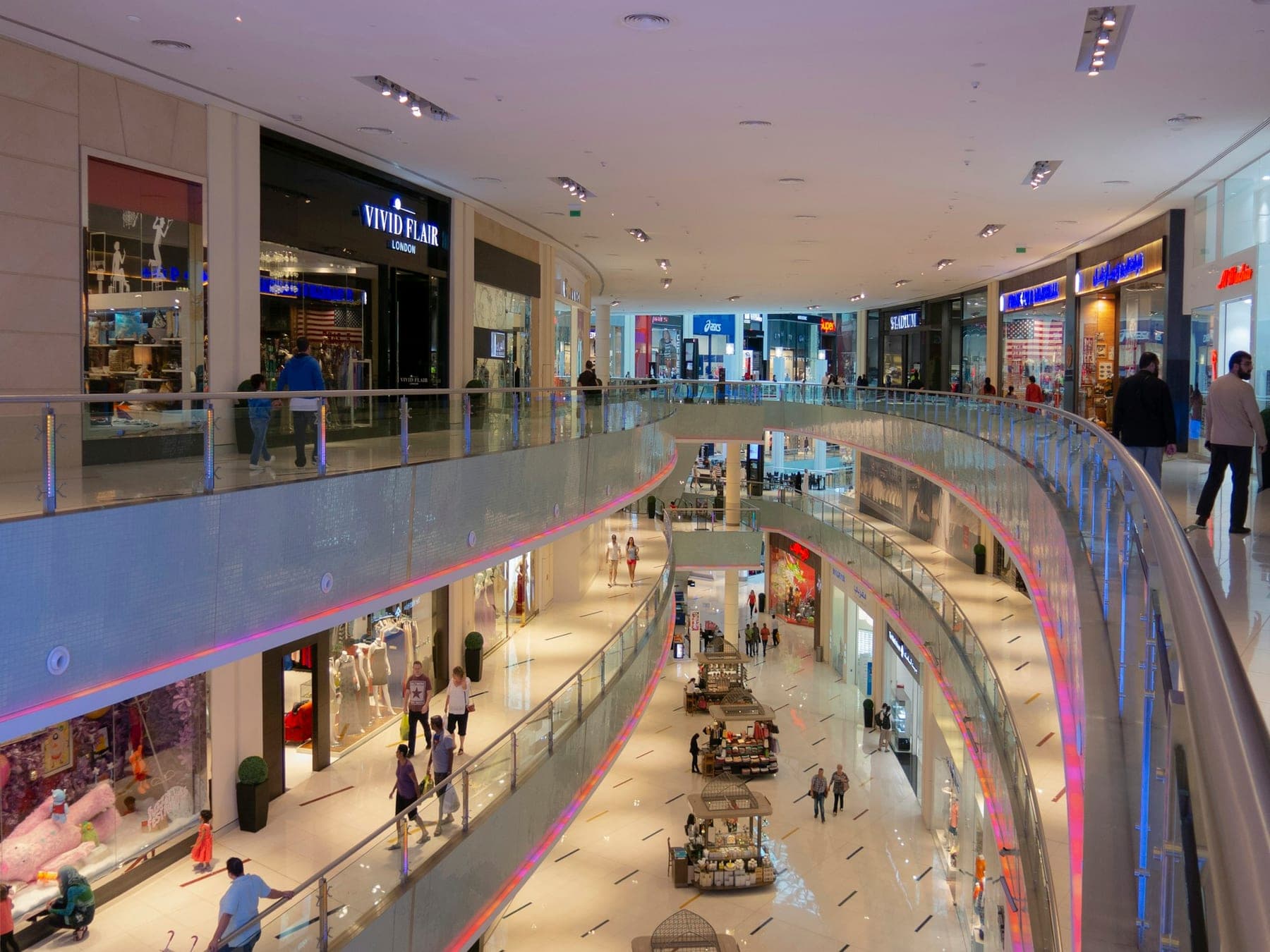
Retail has always been about understanding customers. What has changed is the depth and speed of that understanding. AI-driven analytics now allow retailers to see how shoppers move through a store, which displays attract attention, how online behaviour connects with in-store visits and where friction causes customers to leave without buying. The result is a more responsive, more personal shopping experience across every channel.
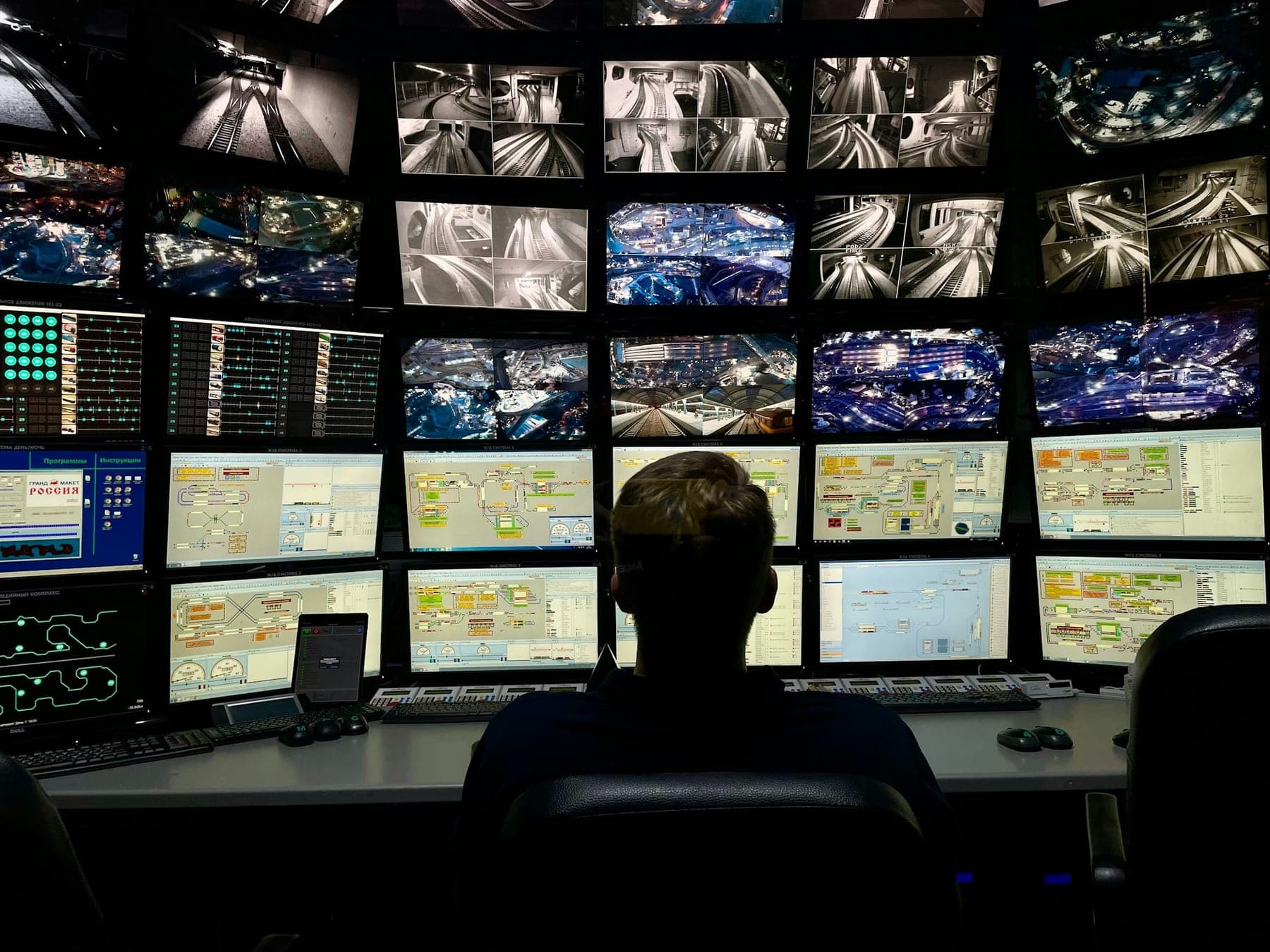
Many of these insights come from systems that were originally installed for security. Cameras, people counters, access control and point-of-sale integrations generate data that, when analysed responsibly, can inform store layout, staffing and merchandising decisions. This convergence of security and business intelligence is one of the most significant trends we see among retail clients across Asia-Pacific.
From security footage to operational insight
Modern video analytics can produce anonymised metrics such as footfall, dwell time, queue length and occupancy without identifying individual shoppers. Heat maps reveal which areas of a store attract traffic and which are overlooked. Queue monitoring can alert managers to open additional checkouts before waiting times affect customer satisfaction.
- Footfall and conversion analysis that links visitor numbers with sales performance.
- Queue detection and staffing recommendations during peak periods.
- Shelf and display monitoring to identify out-of-stock items and planogram gaps.
- Loss prevention analytics that highlight unusual patterns at checkouts and exits.
When combined with e-commerce data, these insights help retailers understand the full customer journey — for example, how online promotions translate into store visits, or how click-and-collect customers behave once they arrive.
Privacy by design
Customer insight must never come at the expense of customer trust. Shoppers are increasingly aware of how their data is collected and used, and data protection regulations across the region set clear expectations for transparency, purpose limitation and retention.
We design retail analytics deployments so that, wherever possible, data is aggregated and anonymised at the edge before it leaves the camera or sensor. Privacy masking, strict role-based access and defined retention periods ensure that security footage is used only for its intended purposes. Clear signage and published privacy notices help customers understand what is being measured and why.
The most valuable retail insights are about patterns, not people. Designing for anonymity from the start protects both the customer and the brand.
— AIPT Global Advisory
Securing the connected store
A modern store is a dense network of connected devices: cameras, payment terminals, digital signage, inventory scanners, building management systems and guest WiFi. Without careful design, a weakness in one device can provide a path to others, including payment systems and customer databases.
Network segmentation is the first line of defence, keeping payment, security, operational and guest traffic strictly separated. Centralised device management ensures that firmware is kept up to date and default credentials are eliminated. Continuous monitoring, combined with real-time alarm management, allows security teams to respond quickly to both physical incidents and cyber threats across multiple locations from a single platform.
Turning insight into action
Data only creates value when it changes decisions. The retailers seeing the strongest results are those that connect analytics directly to store operations. Store managers receive concise daily summaries rather than complex dashboards; regional teams compare performance across locations to identify best practices; and merchandising teams test new layouts and measure their impact within days rather than months.
Integration is again the key. When video analytics, people counting, point-of-sale and inventory systems share a common platform, insights can be correlated automatically. A spike in queue length can trigger a staffing alert, an empty shelf can prompt a replenishment task and an unusual pattern at a self-checkout can be flagged for review — all without manual reporting.
Scalability matters for multi-site retailers. A centrally managed platform allows new stores to be onboarded with consistent configurations, security policies and reporting, reducing deployment time and ensuring that every location benefits from the same standards.
The road ahead
AI will continue to blur the line between physical and digital retail. Personalised offers, smart fitting rooms, cashier-less checkouts and real-time inventory visibility are all moving from pilot to mainstream. Each innovation depends on reliable infrastructure and responsible data practices.
Retailers that build their customer-insight strategies on a secure, integrated technology foundation will be able to innovate with confidence — delivering better experiences while protecting the trust that keeps customers coming back.