Next-Gen Telemedicine: AI-Powered Diagnostics Transforming Patient Care

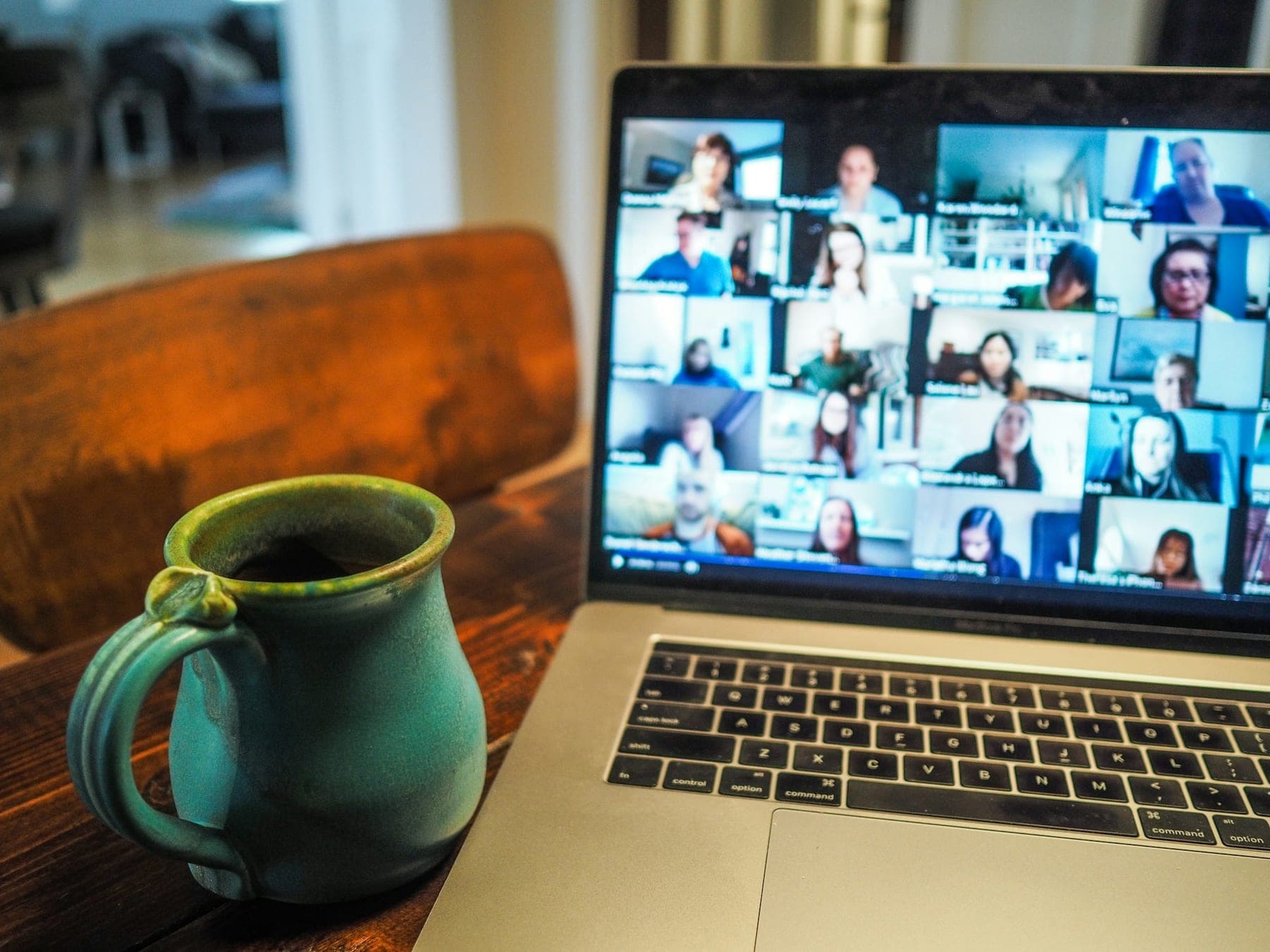
Telemedicine has moved well beyond the video consultation. Across Asia-Pacific, healthcare providers are now combining remote care with AI-assisted diagnostics that can pre-screen medical images, flag abnormal vital signs and help clinicians prioritise the patients who need attention first. For regions where specialists are concentrated in major cities, this shift is expanding access to quality care in a meaningful way.
Behind every successful telemedicine programme, however, sits a layer of technology that patients never see: secure networks, reliable connectivity, protected data stores and carefully governed AI models. As an integrator working with healthcare and aged care operators, AIPT Global sees first-hand how much of the clinical value depends on getting that foundation right.
Where AI is adding clinical value
The most mature applications of AI in telemedicine are those that support, rather than replace, clinical judgement. Image-analysis models can review retinal scans, chest X-rays and dermatology photos to highlight areas of concern. Triage tools can analyse symptoms reported through a patient app and suggest an appropriate level of care. Remote monitoring platforms can learn a patient's baseline and alert care teams when readings drift outside expected ranges.
- Pre-screening of medical images to help specialists focus on the most urgent cases.
- Continuous remote monitoring for chronic conditions and post-operative recovery.
- Fall and inactivity detection in aged care facilities using privacy-aware sensors.
- Automated documentation that reduces administrative workload for clinicians.
Each of these use cases shortens the time between a change in a patient's condition and a clinician's response. In rural and island communities, that difference can determine whether a condition is managed early or escalates into an emergency.
Connectivity is a clinical requirement
AI diagnostics are only as dependable as the network that carries the data. High-resolution imaging, real-time video and continuous sensor streams all require predictable bandwidth and low latency. A dropped connection during a remote consultation is an inconvenience; a gap in monitoring data for a high-risk patient is a safety issue.
For this reason, we treat network design in healthcare settings with the same rigour as any critical infrastructure project. Structured cabling, enterprise WiFi with dedicated clinical segments, redundant internet links and quality-of-service policies ensure that clinical traffic is always prioritised over general use. Building automation and environmental monitoring complete the picture, protecting equipment and medication storage alike.
Protecting the most sensitive data there is
Health records are among the most valuable targets for cybercriminals. As care moves beyond hospital walls, the attack surface grows: patient devices, home networks, cloud platforms and third-party AI services all become part of the data path. A credible telemedicine architecture must therefore assume that every connection could be hostile.
Practical safeguards include end-to-end encryption for data in transit and at rest, strong identity verification for clinicians and patients, network segmentation that isolates medical devices, and continuous monitoring for unusual access patterns. Just as important are clear policies on where data is processed and stored, particularly when AI models are hosted by external providers or in other jurisdictions.
In healthcare, security and patient safety are the same conversation. A system that cannot be trusted with data cannot be trusted with care.
— AIPT Global Infrastructure Team
Designing for resilience
Clinical services cannot simply stop when a server fails or a fibre link is cut. Resilient telemedicine platforms are designed with redundancy at every layer: dual internet connections from different carriers, backup power for network equipment, failover between data centres and local caching so that clinicians can continue to access essential records during an outage.
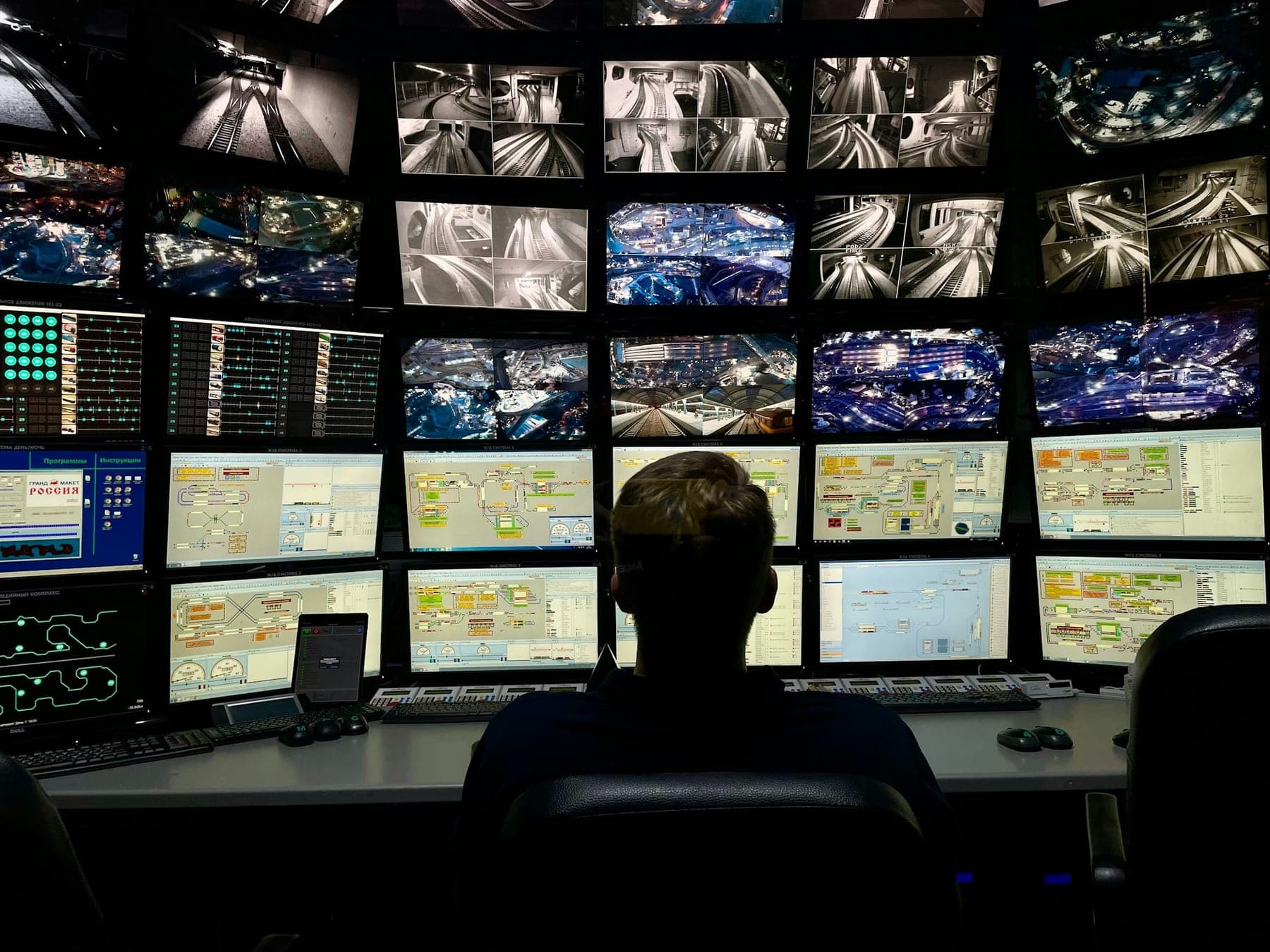
Monitoring is equally important. A network operations centre that watches link quality, device health and security events around the clock can detect degradation before it affects patients. When incidents do occur, clear escalation paths and defined response times ensure that clinical teams are informed quickly and services are restored in order of clinical priority.
Physical security completes the picture. Server rooms, medication stores and medical device areas benefit from integrated access control and video surveillance, giving facility managers a full audit trail of who accessed critical spaces and when. In aged care settings, the same infrastructure can support resident safety features such as wander management and nurse-call integration.
Responsible adoption
Healthcare organisations adopting AI diagnostics should start with well-defined use cases, measure outcomes against clear clinical benchmarks and keep clinicians firmly in the decision loop. Models should be validated on local patient populations, and their limitations communicated openly to the people who rely on them. Governance frameworks that cover model updates, incident reporting and data retention help ensure that innovation does not outpace oversight.
The direction of travel is clear. Telemedicine supported by trustworthy AI will become an everyday part of care delivery across the region. The providers that benefit most will be those that invest early in secure, resilient infrastructure — the foundation that allows clinical innovation to scale safely.